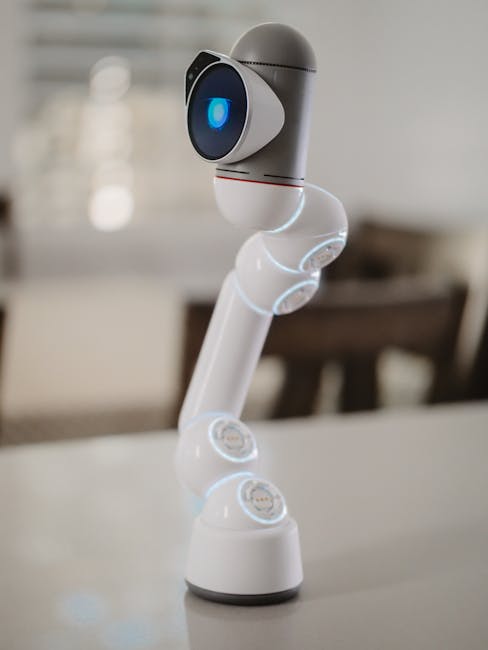
Creative workflow with generative AI tools on a tablet

Our story: decisions that shaped the studio

Since 2019, at NexaFlow we went from a small team of designers to a laboratory of augmented creativity. Each stage marked a different way of understanding AI: first as technical support, then as a partner in visual exploration, and today as a structural part of our production pipelines.

Early experiments with image models

In 2020, we integrated the first image generators for internal moodboards. The leap was immediate: art direction teams began validating references in hours, not days. That trial convinced us that AI was not a toy, but a serious work tool.

The shift toward automated workflows

In 2022, we stopped using AI just for sketches. We built our own system that connects prompts, style control, and human review in one place. We automated repetitive retouching and variation tasks, and that freed up time for what really matters: the conceptual direction of each project.

Consolidation of the creative laboratory

Today, the studio operates as a laboratory where designers, developers, and AI specialists work side by side. Our catalog of solutions ranges from generating visual identities to interactive prototypes. The key remains the same: the machine proposes, the human decides.
Frequently asked questions about generative AI

Straightforward answers on integrating generative models, copyright, and quality control in creative workflows.

Consult a case

What kind of creative tasks can be automated with generative AI?

The most common ones are generating concept variations, drafting copy, creating visual moodboards, and producing repetitive assets like backgrounds or textures. The key is separating the exploratory from the final: AI speeds up the first phase, but the final decision still rests with the team.

How do we avoid generated results looking generic?

The problem almost always lies in the prompt and the context given to the model. The more specific the brief—concrete references, style constraints, examples of previous work—the more useful the output. It is also worth training or fine-tuning the model with proprietary material if the workload justifies it.

Who is the author of a piece created with generative tools?

It depends on each country's legal framework and the level of human intervention. In practice, authorship usually falls on whoever defines the concept, reviews, and edits the result. We recommend documenting the creation process and reviewing each platform's terms of use before publishing commercial work.

What level of control do we have over the final result?

Control is exercised at two points: beforehand, with a well-crafted prompt and clear references; and afterward, through manual editing or iterative refinement. No model replaces professional review, but it does reduce time spent on mechanical tasks and allows testing more directions in less time.

What happens to the data we use to train or feed these models?

It is worth separating two things: the public data the model was trained on and the proprietary data loaded during use. For projects with sensitive information, we recommend using private instances or tools that do not retain input. We always review each provider's policies before uploading client material.

How long does it take to integrate generative AI into a creative team?

It depends on the team size and existing processes. In small studios, a useful first implementation can be ready in two or three weeks if you start with a scoped task. The important thing is not to try to cover the entire workflow at once: pick a specific point, measure the outcome, and expand from there.

Designer adjusting a visual composition on a tablet with a stylus

NexaFlow: the studio that combines generative AI with creative craft

We are a team of designers, developers, and strategists who work with generative models from the concept phase to final delivery. We don't sell promises of total automation: we integrate AI where it speeds up the process and leave creative direction in human hands. We serve design studios, content agencies, and in-house teams that need to produce more without losing visual identity.

Workflows you can touch We design concrete pipelines: brief, prompt exploration, selection, refinement, and quality control. Each stage has clear owners and approval criteria.
Style control We build visual guidelines and reference libraries so AI generates within your graphic language, not in an aesthetic vacuum. The final result always goes through human review.
Real measurement We compare production times before and after implementing each tool. We report hours saved, bottlenecks resolved, and tasks that remain manual.

Cookie settings We use cookies to keep the site stable, remember basic preferences, and understand which pages are useful. You can accept, reject, or review the settings before continuing.